Master the Infected Patient: Introducing the Infectious Disease Pack for MedDiagnosis
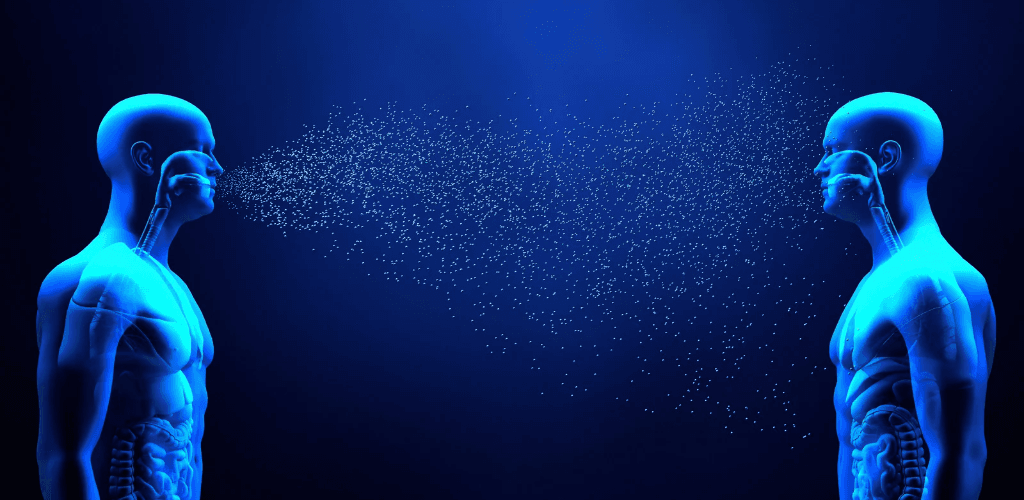
In most specialties, the wrong diagnosis means a missed treatment. In infectious disease, the wrong diagnosis means you give the right antibiotic — to the wrong pathogen — and the correct treatment becomes the cause of death.
That is the thesis of the Infectious Disease Pack. The most dangerous pathogen is the doctor who is certain.
What's in the pack
12 advanced cases covering the most treacherous presentations in infectious disease. Every case runs in full resident mode — you order blind, with the information available at the time.
Every case looks like a bread-and-butter infection. A diabetic with a red swollen leg. An elderly patient with confusion and a positive urine culture. A traveller with fever and bone pain. The diagnosis you reach in the first five minutes will feel completely reasonable. In several cases, it will also be completely wrong — and the treatment you start based on it will make things worse.
What makes this pack different
In the Emergency Pack, the trap is missing the diagnosis. In the Toxicology Pack, it is giving the wrong antidote. In the Infectious Disease Pack, the recurring kill shot is giving the correct antibiotic — for the wrong bug.
This pack also tests a skill the others do not: epidemiological reasoning. Where has this patient been? What are their host factors? What exposures are in their history? In infectious disease, the right diagnosis often depends on asking the right questions before you order anything.
The antibiotic trap: why ID cases are uniquely dangerous
Infectious disease has a reasoning problem that no other specialty shares. In cardiology, the wrong treatment is usually ineffective. In ID, the wrong antibiotic can be actively harmful — it selects for resistance, disrupts flora, triggers toxin release (Jarisch-Herxheimer), or masks the true pathogen long enough for the real infection to become untreatable.
Three ways infectious disease punishes confident clinicians
- The positive culture that lies — a positive urine culture in a confused elderly patient does not mean the confusion is from the UTI. A positive blood culture can be a contaminant. The clinical reasoning skill here is knowing when to distrust a positive result — and what to look for instead.
- The antibiotic that accelerates the disease — giving antibiotics to EHEC triggers toxin release and increases the risk of HUS. Treating strongyloides with steroids causes hyperinfection syndrome. These are not rare scenarios — they are recognised clinical catastrophes that happen when the diagnosis is close but not correct.
- The missed host factor — the same infection in an immunocompromised patient has a completely different differential, a different empiric regimen, and a different timeline. Missing the host factor is one of the most common diagnostic errors in infectious disease.
Why this matters for your exams
Infectious disease is tested across nearly every board exam, and the trend is clear: exams are moving away from “identify the bug, pick the drug” and toward “manage the clinical scenario when the bug is not yet identified.” On USMLE Step 2 CK, Listeria coverage gaps, C. diff management after antibiotic use, and the acute HIV presentation are all high-frequency topics that test management reasoning, not microbiological recall.
For NEET PG and NEXT candidates, dengue management, mucormycosis in uncontrolled diabetics, and strongyloides hyperinfection are staple topics — and the exam format increasingly rewards the clinician who manages the full clinical picture, not just the one who names the organism.
Who this pack is for
- USMLE Step 2 CK / Step 3 — Listeria coverage gaps, EHEC antibiotic contraindications, acute HIV presentation, and C. diff management are all high-frequency topics
- USMLE Step 1 (crossover) — several cases test classic Step 1 mechanisms in a clinical context
- Internal Medicine boards / shelf — ID is a major IM domain
- Emergency Medicine boards (ABEM / ConCert) — necrotising fasciitis, meningitis, and the returning traveller are core EM
- COMLEX Level 2 / 3 — same clinical decision-making focus
- NEET PG / NEXT — dengue, mucormycosis in diabetics, and strongyloides are heavily tested
- PLAB 2 / UKMLA — infection management and antibiotic stewardship are UK exam favourites
- ID fellowship boards — co-infection, hyperinfection, and antimicrobial resistance nuances go beyond general board level
- Tropical medicine — several cases test geographic and epidemiological reasoning
Explore the other packs
Infectious disease overlaps with every acute specialty. These packs test complementary reasoning skills:
- Emergency Medicine Pack — sepsis, meningitis, and the undifferentiated fever all present to the ED
- Neurology Pack — CNS infections overlap with neurological emergencies
- Toxicology Pack — sepsis and toxic ingestion can present identically in the ED
- Cardiology Pack — endocarditis, myocarditis, and post-infectious complications bridge both specialties
Ready to trace the source?
Download MedDiagnosis on iOS or Android and find out if you can tell the difference between the infection — and the treatment that makes it worse.
Related Posts